
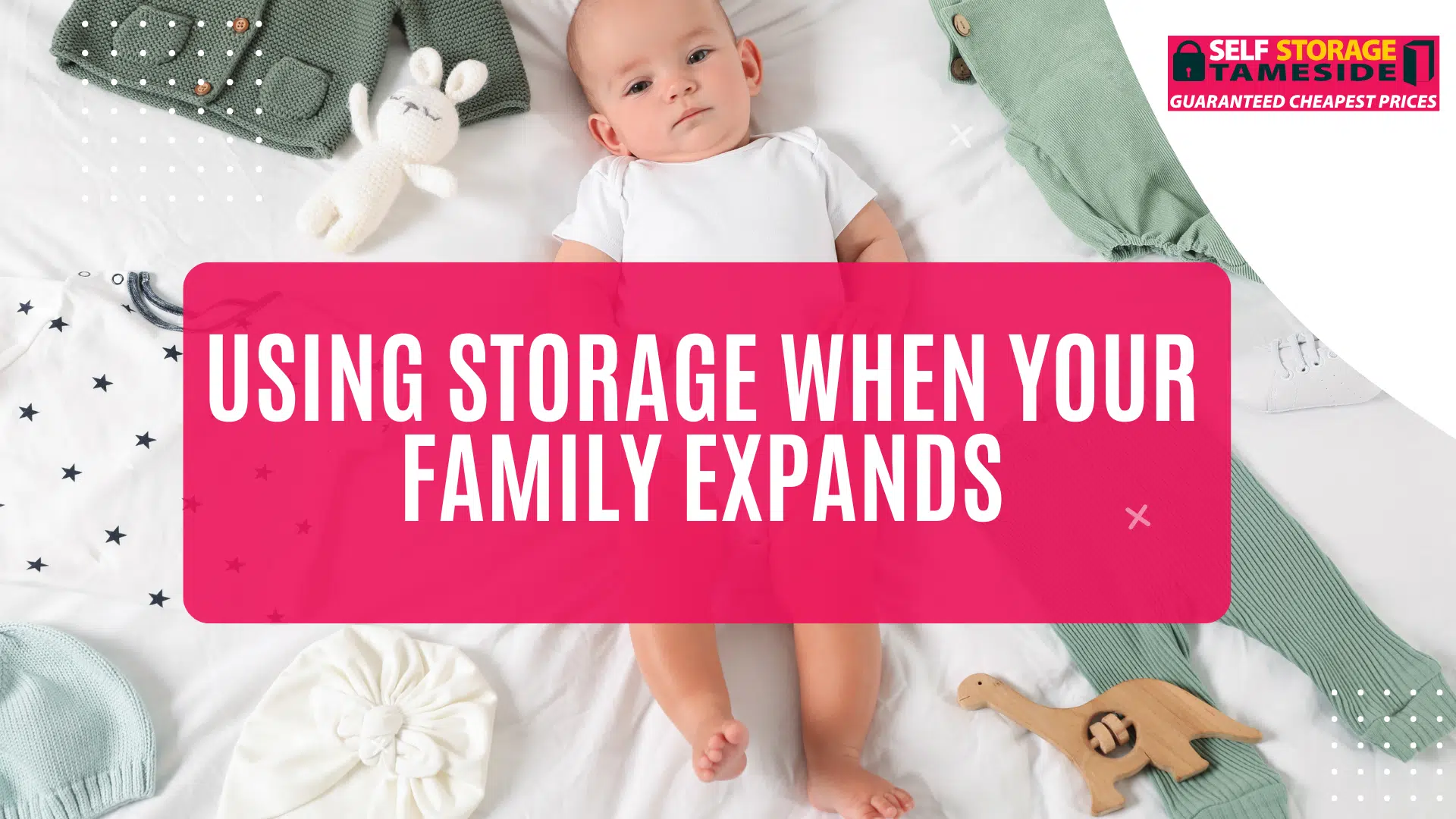

Why Storage Becomes Essential When Your Family Expands
As families in Manchester grow, space becomes a premium. From new baby gear to additional furniture and seasonal items, managing clutter can be challenging. Understanding how to use storage when your family expands helps maintain a comfortable, organised, and safe home while accommodating everyone’s needs.
Proper storage solutions reduce stress, prevent damage to belongings, and allow your home to remain functional during periods of expansion.
Step 1: Assess Your Current Space
Before adding storage, evaluate your home:
- Identify areas of clutter and underutilised space
- Measure rooms, closets, and cupboards to understand capacity
- Decide what items are essential and which can be stored elsewhere
- Consider temporary storage for items not immediately needed
This assessment helps determine the type and size of storage you’ll need.
Step 2: Declutter and Categorise Belongings
Reducing unnecessary items is key to maximising available space:
- Keep: essential furniture, daily-use items, and sentimental belongings
- Store: seasonal clothing, spare furniture, and baby gear not in use
- Donate or sell: items no longer needed or duplicated
- Use home storage units for items you want to preserve but don’t need daily
Step 3: Plan Storage Zones
Organising stored items efficiently makes retrieval easy and prevents clutter:
- Create dedicated storage for baby items, toys, seasonal clothing, and furniture
- Label boxes clearly with contents and room destination
- Use shelving units or pallets to keep items off the floor
- Plan for frequently accessed items to remain at the front
- Consider temporary student storage units for overflow if needed
Step 4: Maximise Space with Vertical and Hidden Storage
- Install wall-mounted shelves or cupboards for toys, books, and small items
- Use under-bed or under-sofa storage boxes for clothing and accessories
- Hang hooks for bags, coats, or seasonal gear
- Use stackable containers for toys, games, and bulky items
- Store rare or valuable items in safe and secure storage
Step 5: Choose the Right Storage Unit
Selecting an appropriately sized storage unit prevents overcrowding and wasted costs:
- Small unit: suitable for boxes of clothing, toys, and smaller furniture
- Medium unit: ideal for a single room’s furniture and baby gear
- Large unit: perfect for multiple rooms or larger families
- Flexible home storage options accommodate short-term or long-term needs
- Professional removals and storage services can transport heavy or bulky items safely
Step 6: Organise Storage for Easy Access
- Place frequently used items near the front of the unit
- Keep heavier items at the bottom, lighter ones on top
- Use labelled boxes to identify contents quickly
- Create a central aisle to access all items without moving multiple boxes
- Rotate items seasonally to maintain efficiency
Step 7: Protect Belongings from Damage
- Wrap furniture in protective covers or blankets
- Use sturdy boxes and bubble wrap for fragile items
- Keep important documents, electronics, or valuable items in secure storage
- Consider optional insurance for items in storage (free storage insurance)
- Regularly check stored items to ensure they remain in good condition
Step 8: Seasonal Rotation and Accessibility
- Store seasonal clothing, bedding, and baby items separately
- Rotate items between home and storage as needed
- Keep a list or inventory of stored items for easy retrieval
- Use free storage boxes in Manchester to simplify seasonal packing
- Consider short-term student storage options during holidays or family transitions
Step 9: Manage Furniture and Large Items
- Disassemble large furniture before storage to save space
- Keep screws and assembly parts in labelled bags
- Use protective covers to prevent scratches and dents
- Store bulky items like prams, car seats, and high chairs in dedicated units
- Consider removals and storage services for safe transport of heavy furniture
Step 10: Safety Considerations for Growing Families
- Keep heavy or fragile items out of children’s reach at home
- Use storage units with good lighting and secure access
- Check the home and storage units for damp, pests, and leaks
- Keep a small emergency kit accessible with essentials for baby and family
- Maintain a clear floor space for children to move safely
Step 11: Budget-Friendly Storage Tips
- Use short-term storage units for seasonal or temporary items
- Share storage with family members if possible
- Reduce volume by selling or donating items no longer in use
- Use multi-purpose furniture to store items at home efficiently
- Book early to secure the best rates during busy periods
Quick Checklist: Using Storage When Your Family Expands
- Assess your home and identify areas for storage
- Declutter and categorise belongings into keep, store, donate, or sell
- Create storage zones for baby items, toys, clothing, and furniture
- Use vertical and hidden storage solutions at home
- Choose the right storage unit size for your needs
- Organise the unit for easy access and seasonal rotation
- Protect belongings with covers, boxes, and optional insurance
- Manage furniture and large items carefully
- Ensure safety and child-friendly arrangements at home
- Use budget-friendly tips to reduce costs and maximise space
Final Thoughts
Expanding families in Manchester can create space challenges, but with careful planning and the right storage solutions, your home can remain comfortable and organised. Using vertical storage, multi-functional furniture, and secure storage units helps families manage clutter, protect belongings, and make room for new members.
Flexible home storage units and secure storage solutions provide ideal options for seasonal, bulky, or rarely used items. Professional removals and storage services simplify moving large or delicate items, ensuring your home stays safe, functional, and welcoming for your growing family.


0 Comments