

Why Rotating Toys Benefits Children and Families
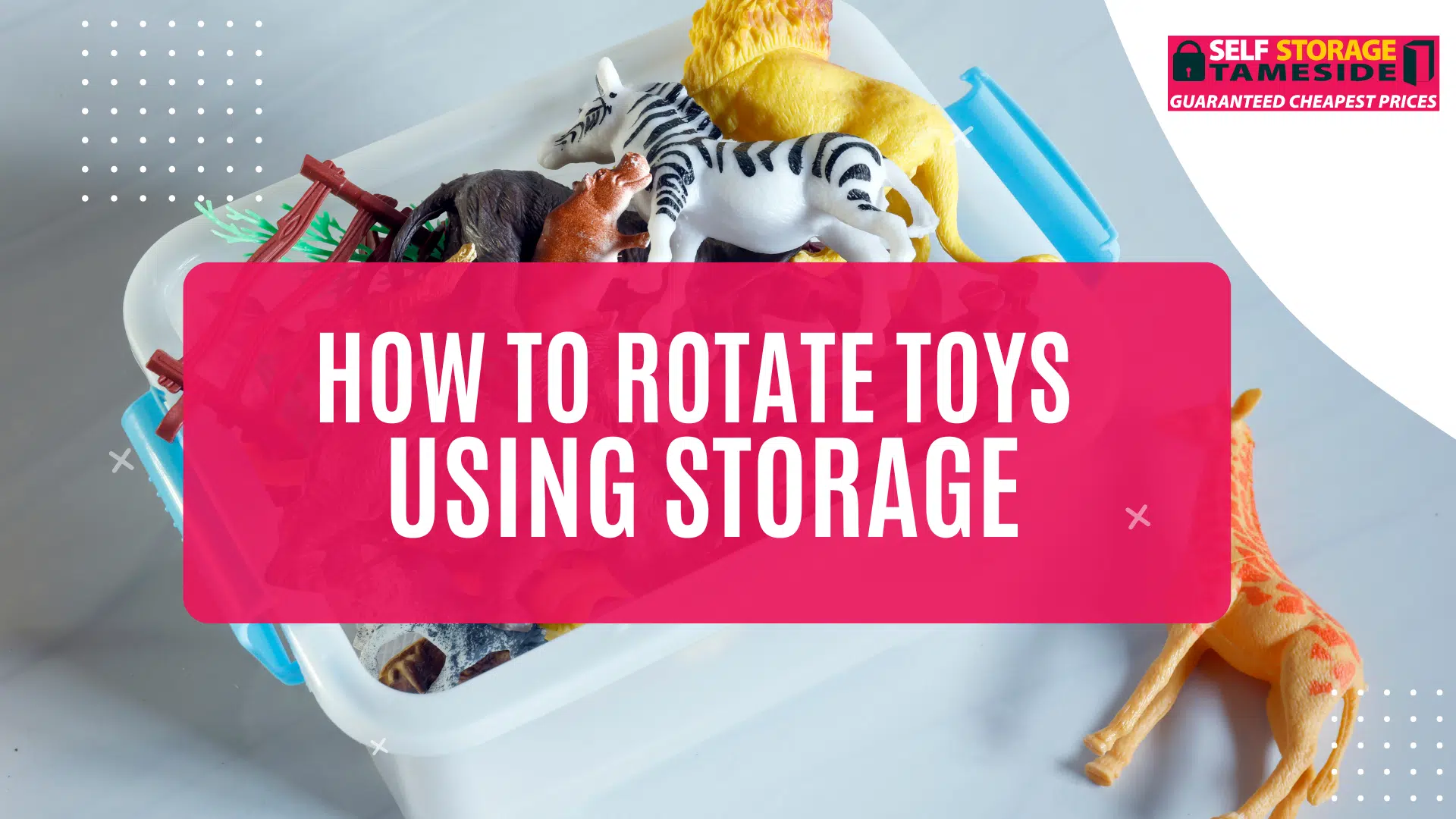
For families in Manchester, managing the sheer volume of toys can be overwhelming. Rotating toys using storage keeps playtime fresh, encourages creativity, and prevents clutter from taking over the home. Understanding how to rotate toys using storage helps parents organise their children’s play space efficiently and maintain a safe, stimulating environment.
Proper rotation also preserves toys, reduces stress, and allows children to focus on a smaller, more manageable selection of items at any given time.
Step 1: Assess Your Toy Collection
- Gather all toys from bedrooms, playrooms, and living areas
- Sort by category: educational, creative, outdoor, dolls/action figures, vehicles, and games
- Check for broken, missing, or unsafe items
- Decide which toys will remain in daily rotation and which will go into storage
Step 2: Clean and Prepare Toys for Storage
- Wipe down plastic, wood, and electronic toys with appropriate cleaning solutions
- Wash soft toys, plushes, and fabric items
- Dry thoroughly to prevent mould or mildew
- Disassemble toys with multiple parts and store them in labelled containers
- Check batteries in electronics; remove to avoid leakage during storage
Step 3: Choose the Right Storage Solutions
Selecting proper storage ensures toys remain safe, organised, and easy to access:
- Clear plastic boxes: ideal for sorting toys by category or child
- Labelled bins: helps you rotate toys efficiently without confusion
- Vacuum-seal bags: for soft toys or seasonal items to save space
- Shelving units: store storage bins off the floor
- Consider external home storage units for larger or bulk items
Step 4: Implement a Rotation Schedule
- Divide toys into 2–3 groups for rotation
- Swap out groups weekly, biweekly, or monthly
- Store non-active groups out of sight to maintain novelty
- Keep frequently used favorites accessible at all times
- Adjust the rotation based on child age, interests, and engagement
Step 5: Maximise Storage Space at Home
- Use under-bed storage or low shelves for rotated toys
- Stack boxes vertically to save floor space
- Use multi-purpose furniture such as storage ottomans or benches
- Keep storage areas organised for easy access during rotations
- Use labels or colour codes to quickly identify toy groups
Step 6: Involve Children in the Rotation Process
- Let children help decide which toys to rotate
- Encourage them to tidy up before rotation day
- Teach organisational skills and responsibility for their toys
- Use rotation as an opportunity to discuss sharing, care, and gratitude
Step 7: Protect Toys During Storage
- Cover bins with lids or dust sheets to keep toys clean
- Store electronics in protective packaging
- Keep soft toys away from moisture and sunlight
- Ensure boxes are stacked securely to prevent damage
- Consider climate-controlled secure storage for delicate or valuable items
Step 8: Store Seasonal or Outdoor Toys Separately
- Keep summer toys like water guns or pool toys in home storage units or sheds during winter
- Store winter items like sleds, snow gear, or bulky outdoor toys in accessible bins
- Rotate outdoor toys similarly to indoor items to maintain novelty
- Keep seasonal toys organised by category and labelled for easy retrieval
Step 9: Reassess and Donate Regularly
- Every 3–6 months, review toy inventory to remove broken or unused items
- Donate toys that are still in good condition to charities or local groups
- Sell toys online to recoup some cost if desired
- Use the space freed up in storage for future toy rotation
- Maintain a manageable number of toys to reduce stress and clutter
Step 10: Budget-Friendly Storage Tips
- Repurpose household containers or shelves instead of buying new units
- Combine toy storage with other items, like seasonal clothing or baby gear, in home storage
- Use free storage boxes in Manchester for smaller toys or accessories
- Rotate toys instead of purchasing new items frequently
- Consider shared storage units with friends or family if space is limited
Quick Checklist: Rotating Toys Using Storage
- Assess all toys and divide into categories
- Clean and prepare items before storage
- Use bins, boxes, shelving, or storage units for storage
- Implement a rotation schedule (weekly, biweekly, or monthly)
- Involve children in rotation and organisation
- Protect items with covers, lids, or climate-controlled units
- Store seasonal or outdoor toys separately
- Reassess inventory regularly to remove or donate unused items
- Use budget-friendly strategies like repurposed boxes and multi-purpose furniture
- Maintain a clutter-free, organised, and engaging play environment
Final Thoughts
Rotating toys using storage is an effective strategy for Manchester families to keep homes organised, stimulate children’s creativity, and protect valuable items. With careful planning, categorisation, and regular rotation, parents can create a clutter-free, engaging environment that encourages learning and imaginative play.
Using flexible home storage units or secure storage solutions ensures bulky or delicate toys are protected, while professional removals and storage services can help with larger or cumbersome items. By adopting a rotation system, families maintain a tidy, functional, and inspiring space for children of all ages.


0 Comments